

The Pros and Cons of EV Ownership
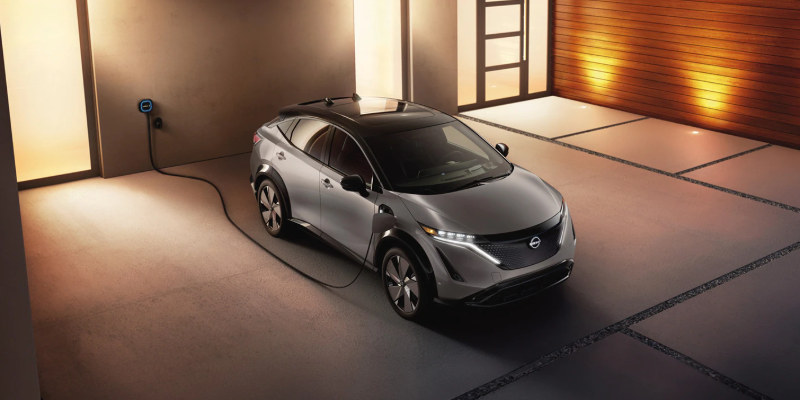
Electric vehicles (EVs) are more popular than ever, and Nissan electric cars are a standout option in the growing market. With leading manufacturers embracing all-electric models, drivers now have more choices—but also more factors to weigh—when deciding which EV is right for them.
Before investing in an EV, it’s important to consider the pros and cons. To make it easier, Valley Nissan of Longmont has put together a helpful guide outlining the benefits and costs of owning an EV.
The Advantages of Owning an Electric Car
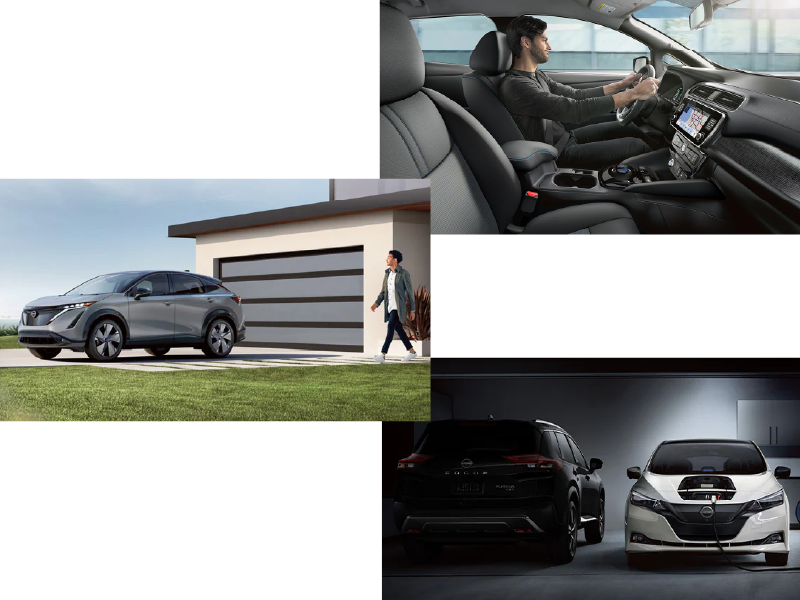
Environmental Friendliness
One of the biggest advantages of EVs is their zero greenhouse gas emissions, making them far more eco-friendly than traditional gas-powered vehicles. If widely adopted, EVs could play a major role in cutting air pollution.
Electric Renewability
Electric vehicles (EVs) represent a key step toward reducing our reliance on fossil fuels. Since electricity can be generated from renewable sources like solar, wind, and water, EVs offer a more sustainable alternative that doesn’t deplete non-renewable resources. On top of that, electricity is cheaper to produce than gasoline, making EVs a cost-effective choice for energy-conscious drivers.
EVs Are Low-Maintenance
Electric engines are designed to need far less maintenance than traditional combustion engines. Say goodbye to oil changes and costly trips to the mechanic! With fewer components and simpler structures, EVs run efficiently while reducing the chance of unexpected issues—saving you time and money.
Quick, Quiet Operation
Electric powertrains deliver a quiet, smooth ride, thanks to their nearly silent operation and simple design with fewer moving parts. But they’re not just about peace and quiet—electric engines also offer instant throttle response for a high-performance, ultra-responsive driving experience.
Potential Tax Credits and HOV Lane Access
The savings from lower maintenance and energy costs are just the beginning when you own an EV. You could also qualify for federal and state tax credits, adding to the financial perks. Plus, EVs are so efficient that many qualify for HOV lane access, letting you enjoy the carpool lane even when driving solo.
The Disadvantages of Owning an EV
Shorter Overall Range Than Traditional Combustion Engines
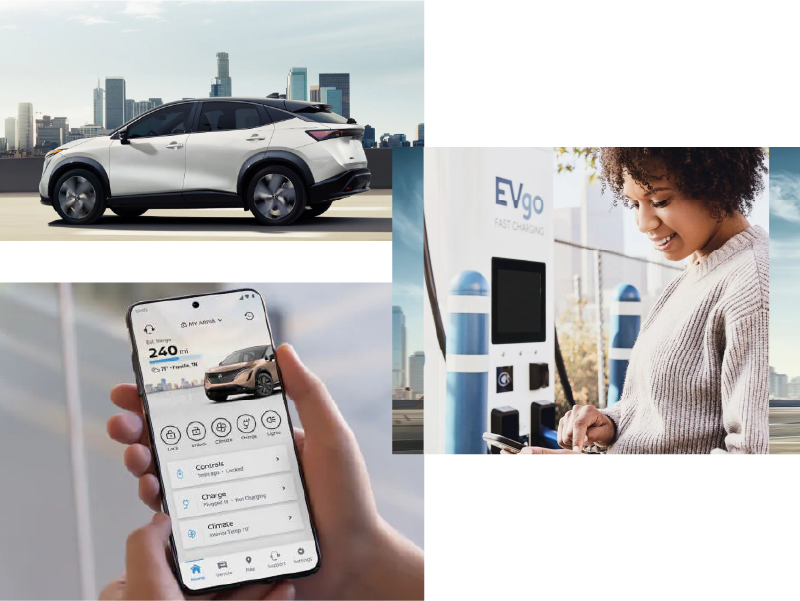
EVs typically have shorter driving ranges compared to traditional gas-powered cars, meaning you'll likely need to charge more frequently. Charging also takes longer than a quick stop at the gas pump. If you frequently take long drives and prefer not to wait for recharging, sticking with a combustion-powered vehicle might be a better fit for your needs.
Having to Find Charging Stations
Charging stations are still catching up to the abundance of gas stations across the U.S., especially in rural areas or off major roads. For EV drivers, this often means taking longer detours to find a charging station or planning trips more carefully to avoid running out of charge.
Higher Prices
Currently, EVs often cost more than traditional gas-powered cars. But with advancing technology, they’re set to become more accessible, affordable, and widely adopted.
Fewer Model Options
EVs are gaining popularity, but they’re still newcomers in the automotive world and far outnumbered by traditional gas-powered models. This can make it challenging to find the right EV that fits your lifestyle and needs.
Valley Nissan of Longmont — Your All-in-One EV Leader
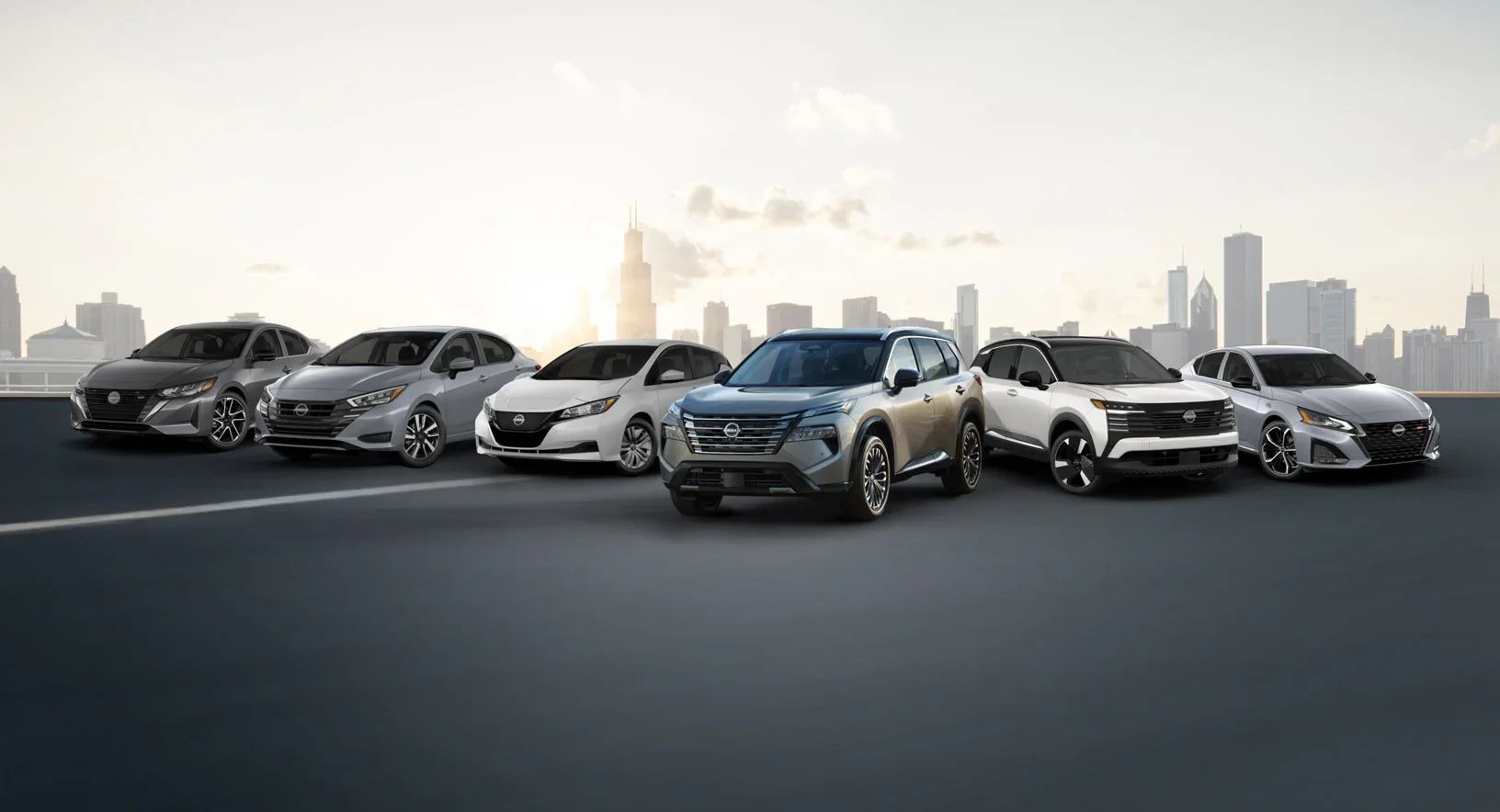
Explore the future of driving at Valley Nissan of Longmont! With a wide range of EVs from top manufacturers, we make it easy to compare electric vehicles with their gas-powered counterparts. Whether you're in Longmont, Boulder, or Denver, CO, stop by one of our dealerships and see the difference for yourself. Visit Valley Nissan of Longmont today and take your first step into the electric revolution.